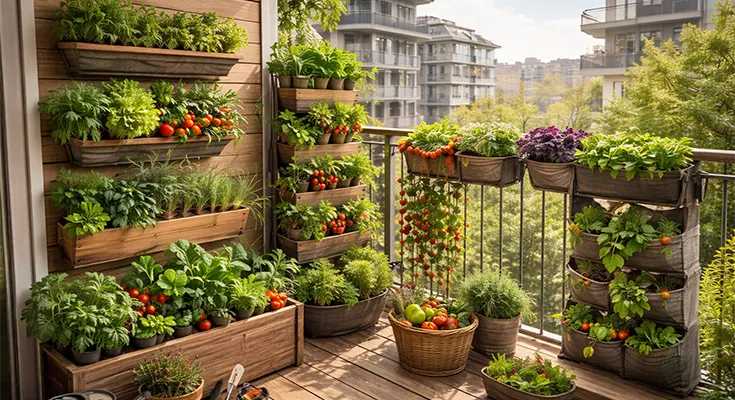
Urban living often means limited outdoor space, especially for those living in apartments. However, the desire to grow fresh vegetables at home has increased as more people recognize the benefits of healthy eating, sustainability, and the satisfaction of cultivating their own food. For apartment dwellers with small balconies, traditional gardening methods may seem impractical due to space constraints. Fortunately, vertical gardening offers a smart and efficient solution.
Vertical vegetable gardening allows you to grow a variety of plants upward rather than outward, maximizing limited space while creating a lush and productive mini garden. By using walls, railings, hanging containers, and stackable planters, even the smallest balcony can become a thriving vegetable garden. With the right ideas and setup, you can enjoy fresh produce right outside your door.
Why Vertical Gardening Works for Small Balconies
Vertical gardening is especially suitable for apartment balconies because it utilizes unused vertical space. Instead of placing many pots across the floor, plants can grow upward using structures such as shelves, trellises, and wall-mounted planters.
One major benefit is space efficiency. Small balconies often have limited floor area, but vertical structures allow multiple plants to grow in a compact arrangement. This makes it possible to grow a wide variety of vegetables without overcrowding the balcony.
Another advantage is better sunlight exposure. When plants are arranged vertically, they are more likely to receive adequate sunlight compared to plants placed in shaded corners on the floor. This improves plant growth and productivity.
Vertical gardening also provides improved air circulation, which can reduce the risk of plant diseases and pests. Additionally, vertical gardens can enhance the visual appeal of your balcony, transforming it into a green, relaxing space.
Best Vertical Vegetable Garden Ideas
1. Wall-Mounted Planters
Wall-mounted planters are one of the easiest ways to create a vertical vegetable garden on a balcony. These planters can be attached to walls or balcony panels and arranged in rows.
They work particularly well for lightweight vegetables and herbs such as lettuce, spinach, basil, and parsley. Using sturdy brackets and lightweight containers helps ensure safety while maximizing space.
2. Hanging Pocket Gardens
Hanging pocket planters are fabric or plastic organizers with multiple pockets designed for planting. They can be hung on walls or balcony railings.
These systems allow you to grow many small plants in one compact area. Vegetables such as lettuce, arugula, strawberries, and herbs thrive in pocket gardens. They are especially useful for beginner gardeners because they are simple to install and maintain.
3. Vertical Pallet Gardens
Wooden pallets can be repurposed into excellent vertical garden structures. By attaching landscape fabric to the back and filling the spaces with soil, you can create rows of planting pockets.
Pallet gardens are ideal for leafy greens, herbs, and small vegetables. They are also a popular DIY option because they are inexpensive and customizable.
4. Trellis Systems for Climbing Vegetables
A trellis is perfect for vegetables that naturally grow upward. By installing a trellis against a wall or railing, climbing plants can grow vertically instead of spreading across the balcony floor.
Vegetables that work well with trellises include:
- Cucumbers
- Pole beans
- Peas
- Cherry tomatoes
This method saves space while encouraging healthy plant growth.
5. Stackable Planter Towers
Stackable planter towers consist of several layers of planting containers stacked vertically. Each layer contains planting slots for vegetables or herbs.
These towers are excellent for small balconies because they allow you to grow multiple plants in a compact footprint. They work well for lettuce, herbs, strawberries, and small peppers.
6. Hanging Baskets
Hanging baskets are another effective vertical gardening solution. They can be suspended from balcony ceilings, hooks, or railings.
Vegetables that grow well in hanging baskets include:
- Cherry tomatoes
- Peppers
- Strawberries
- Herbs like thyme and oregano
Hanging baskets also help keep plants away from pests and improve airflow.
7. Rail-Mounted Balcony Planters
Rail-mounted planters attach directly to balcony railings. They are perfect for maximizing unused edge space while keeping the floor area free.
These planters are suitable for herbs, lettuce, spinach, and compact vegetable varieties. Many modern designs also include built-in drainage systems for healthier plants.
Vegetables That Grow Well in Vertical Balcony Gardens
Not all vegetables are suitable for small containers or vertical systems, but many varieties adapt well to balcony gardening.
Some excellent options include:
- Cherry Tomatoes – Compact varieties thrive in containers and can climb trellises.
- Lettuce – Fast-growing and perfect for shallow containers or pocket planters.
- Spinach – Ideal for cooler balcony environments and small planters.
- Green Beans – Pole beans grow upward and are great for trellis systems.
- Cucumbers – Climbing varieties work well in vertical gardens.
- Peppers – Compact pepper plants grow easily in small containers.
- Herbs – Basil, parsley, mint, and cilantro grow exceptionally well in vertical systems.
Choosing compact or dwarf varieties helps ensure better results in limited spaces.
Tips for Success in Balcony Vertical Gardening
To make your vertical vegetable garden successful, it is important to follow some key gardening practices.
Ensure proper sunlight. Most vegetables need at least 5–6 hours of sunlight daily. Position your vertical garden where it receives adequate light.
Use lightweight containers. Balcony structures have weight limits, so choose plastic or fabric planters instead of heavy ceramic pots.
Provide proper drainage. Containers should have drainage holes to prevent water buildup and root rot.
Use quality potting soil. A good potting mix designed for container gardening will help plants grow healthy and strong.
Water consistently. Vertical gardens can dry out faster than ground gardens, so regular watering is essential.
Check balcony safety. Make sure any mounted structures are secure and do not overload your balcony railing or walls.
In Closing, growing vegetables on a small apartment balcony may seem challenging, but vertical gardening makes it both practical and rewarding. By using creative solutions such as wall-mounted planters, trellises, hanging baskets, and stackable towers, even limited spaces can produce a variety of fresh vegetables. With the right plant choices and proper care, a small balcony can transform into a productive and beautiful vertical vegetable garden. Whether you are a beginner gardener or an experienced plant enthusiast, starting a vertical garden is an excellent way to enjoy fresh, homegrown produce right in the heart of the city.