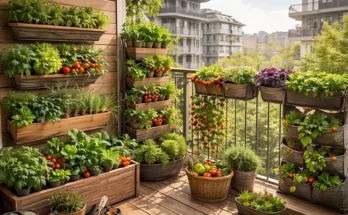
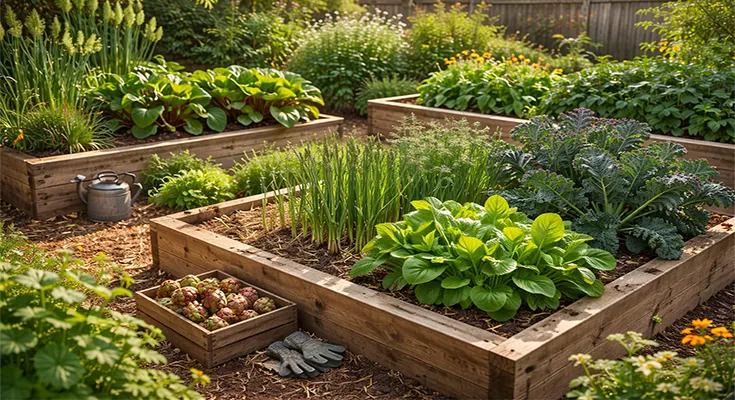
For gardeners living in Zone 7, growing vegetables can be both productive and enjoyable thanks to the region’s relatively mild winters and long growing season. However, constantly replanting annual vegetables each year can require significant time and effort. This is where perennial vegetables offer a practical and rewarding alternative.
Perennial vegetables are plants that return year after year once established. When grown in raised beds, they become even easier to manage because raised beds provide better drainage, improved soil quality, and simplified maintenance. By choosing low-maintenance perennial vegetables suited for Zone 7, gardeners can create a productive garden that requires less work while still providing fresh, nutritious harvests.
In this guide, we’ll explore some of the best perennial vegetables for Zone 7 raised beds, along with tips for planting and maintaining them successfully.
Why Choose Perennial Vegetables for Raised Beds
Perennial vegetables offer several advantages that make them ideal for gardeners who prefer a more sustainable and low-maintenance approach.
First, they reduce yearly planting efforts. Unlike annual vegetables that must be replanted each season, perennials continue growing for multiple years after a single planting.
Second, they build stronger root systems over time. This allows the plants to become more resilient to drought, pests, and changing weather conditions.
Raised beds further enhance these benefits by improving soil structure and drainage. In Zone 7, where rainfall can vary throughout the year, raised beds help prevent waterlogged soil that could damage perennial roots.
Other benefits include:
- Easier weed control
- Improved soil fertility management
- Better accessibility for harvesting
- Longer productive lifespan for plants
With the right plant selection, a raised bed can provide harvests for many years with minimal maintenance.
Best Low-Maintenance Perennial Vegetables for Zone 7
1. Asparagus
Asparagus is one of the most popular perennial vegetables for raised beds. Once established, it can produce fresh spears for 15 to 20 years.
Zone 7 provides an excellent climate for asparagus, allowing it to thrive with relatively little care. Raised beds help ensure good drainage, which asparagus roots prefer.
Growing tips:
- Plant crowns about 12 inches apart
- Use nutrient-rich soil with compost
- Avoid harvesting during the first year so plants can establish strong roots
Once mature, asparagus produces tender spears every spring.
2. Rhubarb
Rhubarb is a hardy perennial vegetable that grows well in cooler climates like Zone 7. While technically used as a fruit in many recipes, its edible stalks make it a popular garden plant.
Rhubarb thrives in raised beds where the soil is deep and rich in organic matter.
Benefits of rhubarb:
- Extremely hardy
- Requires minimal maintenance once established
- Produces large harvests each spring
Remember that only the stalks are edible, while the leaves are toxic.
3. Walking Onions (Egyptian Onions)
Egyptian walking onions are a fascinating perennial plant that practically grows itself. Instead of seeds, the plant produces small bulbs at the top of its stalks.
These bulbs eventually bend to the ground, root themselves, and grow into new plants—hence the name “walking onions.”
They are ideal for raised beds because they require:
- Minimal watering
- Very little fertilization
- Almost no pest management
Walking onions provide edible green shoots, small bulbs, and mild onion flavor throughout the growing season.
4. Sorrel
Sorrel is a leafy perennial vegetable known for its slightly tangy, lemon-like flavor. It grows exceptionally well in Zone 7 and adapts easily to raised bed environments.
Sorrel plants grow quickly and produce leaves throughout the growing season.
Advantages of growing sorrel include:
- Fast growth
- High productivity
- Minimal care requirements
It works well in salads, soups, and sauces, adding a refreshing flavor to many dishes.
5. Jerusalem Artichokes
Jerusalem artichokes, also known as sunchokes, are a perennial root vegetable that grows vigorously in Zone 7.
They produce tall sunflower-like plants above ground while developing edible tubers below the soil.
Raised beds help control their spread, as these plants can become quite aggressive in traditional gardens.
Key benefits:
- Very hardy
- Drought tolerant
- Requires little maintenance
Harvest the tubers in fall or early winter for a nutty, slightly sweet flavor.
6. Perennial Kale
Perennial kale varieties can continue producing leafy greens for several years without needing to be replanted annually.
These plants thrive in raised beds with well-draining soil and partial to full sunlight.
Perennial kale offers:
- Continuous leaf production
- Excellent cold tolerance
- Nutritious greens year-round in mild climates
Regular harvesting encourages new growth and keeps plants productive.
Tips for Growing Perennial Vegetables in Zone 7 Raised Beds
Although perennial vegetables require less maintenance than annual crops, proper planning helps ensure long-term success.
Choose the Right Location
Most perennial vegetables prefer full sun, meaning at least six hours of sunlight each day. Position raised beds where they receive plenty of light.
Improve Soil Quality
Since perennial plants remain in the same spot for many years, soil quality is especially important.
Add:
- Compost
- Aged manure
- Organic fertilizers
These amendments improve soil fertility and plant health.
Provide Adequate Spacing
Perennials often grow larger over time, so spacing them correctly prevents overcrowding and competition for nutrients.
Raised beds should allow enough room for roots to expand comfortably.
Mulch for Weed Control
Applying mulch helps retain moisture, reduce weeds, and improve soil health. Organic mulch such as straw or shredded leaves works well for perennial vegetable beds.
Practice Gentle Harvesting
Avoid overharvesting young perennial plants during their first year. Allowing plants to establish strong roots ensures larger harvests in future seasons.
Designing a Productive Perennial Raised Bed
A well-designed raised bed can combine several perennial vegetables for long-term productivity.
For example, a single raised bed might include:
- Asparagus along the back
- Sorrel in the middle
- Walking onions around the edges
This layout allows each plant to receive adequate sunlight and space while creating a diverse and productive garden.
Perennial herbs such as thyme, chives, and oregano can also be added to enhance both flavor and biodiversity in the garden.
Wrapping up, growing low-maintenance perennial vegetables in Zone 7 raised beds is an excellent way to create a sustainable and productive garden. With the right plant choices, gardeners can enjoy fresh harvests year after year without the need for constant replanting.
Vegetables such as asparagus, rhubarb, sorrel, walking onions, and Jerusalem artichokes thrive in raised beds and require minimal care once established. By improving soil quality, providing adequate sunlight, and allowing plants to mature properly, your raised beds can become a reliable source of nutritious vegetables for many seasons. Whether you are a beginner gardener or an experienced grower looking to simplify your gardening routine, perennial vegetables offer a smart and rewarding solution for long-term success.