Key Takeaways
• Thoroughly seal up all entry points to keep pests out, especially during seasonal shifts.
• Focus on kitchen and living area cleanliness to avoid providing food sources for pests.
• Control moisture indoors, particularly in basements and crawl spaces, as St. Louis humidity attracts pests.
• Try natural repellents for a chemical-free approach to minor infestations.
• Regular inspections and swift repairs are your best defense against costly infestations.
St. Louis is a city defined by its iconic Gateway Arch, historic neighborhoods, and distinctive four-season climate. Along with these features, homeowners face unique pest control challenges that require proactive strategies to safeguard their living spaces. Maintaining a pest-free home in St. Louis is not just about comfort, but about protecting health and property value. Fortunately, there are several practical steps families can take to minimize unwanted intruders. For more detailed solutions tailored to St. Louis residents, pointepestcontrol.com offers expert local pest control advice.
St. Louis’s humid summers, cold winters, and proximity to rivers and parks create an environment where insects and rodents constantly seek new shelter. Whether you live in an old red-brick home in Soulard or a newer home in Chesterfield, pests can be a persistent problem. By understanding these local risks and implementing the right strategies, you can create a healthy, safe environment for your family year-round.
Seal Entry Points
Many of St. Louis’s homes, especially historic properties, are charming but vulnerable due to gaps around foundations and windows. Common pests like spiders, ants, and mice can squeeze through surprisingly tiny cracks as they seek warmth or food. Begin your pest prevention by inspecting your home’s exterior, checking the foundation, window casings, door frames, and around utility pipes. Use caulk for fine cracks, and weatherstripping for gaps around doors. For larger holes or gaps near dryer vents and garages, steel wool is effective at preventing rodents from entering. Don’t forget to inspect and repair any torn window screens, as these are major entry points during the spring and summer.
Maintain Cleanliness
Pests thrive in environments where food and water are readily available. St. Louis kitchens, with their summer barbecues and holiday baking, provide plenty of opportunities for crumbs and spills to attract ants, cockroaches, and even mice. Clean up spills immediately, sweep and vacuum regularly, and store pantry items in airtight containers. Garbage bins should be tightly sealed and emptied frequently, especially in hot, muggy weather when pests multiply quickly. Regularly wiping down counters and cleaning behind appliances removes food sources that attract pests before they have a chance to settle in. According to the National Pest Management Association, this routine is critical to reducing the risk of household infestations.
Manage Moisture
St. Louis is no stranger to humidity, and that moist environment is a magnet for pests such as cockroaches, silverfish, and termites. Water from leaky pipes, clogged gutters, or humid basements will attract pests. Repair leaking faucets and pipes immediately, run dehumidifiers in basements or crawl spaces, and make sure bathrooms and kitchens are well-ventilated. In autumn, fallen leaves can quickly clog gutters, so make a habit of cleaning them out before the first frost. Taking these steps will not only prevent pest infestations but also protect your home from water damage. The Washington Post has highlighted moisture control as a key to long-term pest management.
Use Natural Repellents
For families in St. Louis who prefer to avoid chemical solutions, natural repellents can help with minor issues. For instance, ground cinnamon can repel ants, and peppermint oil may help keep mice at bay. Sprinkle cinnamon near common ant entry points, or place peppermint oil-soaked cotton balls in corners where rodents have been an issue. Use these remedies carefully, especially around pets or sensitive surfaces, as natural substances can sometimes cause staining or attract pests. Adversattractactione techniques can work well alongside other prevention strategies, especially during spring and summer when pest pressures are highest. For additional guidance about using these natural methods, read the expert insights at Tom’s Guide on Natural Pest Solutions.

Regular Inspections
Routine inspections are crucial for catching pest problems before they escalate. In St. Louis, rodents and termites can cause significant damage if undetected. Schedule time every few months to check attics, basements, behind appliances, and along the foundation for signs such as droppings, gnaw marks, or musty odors. Pay particular attention in spring and fall, as pests often seek shelter indoors during extreme temperatures. Regular checks will help you detect subtle warning signs that can prevent costly repairs down the line. The University of Missouri Extension provides helpful resources for more in-depth home pest inspection techniques.
When to Call Professionals
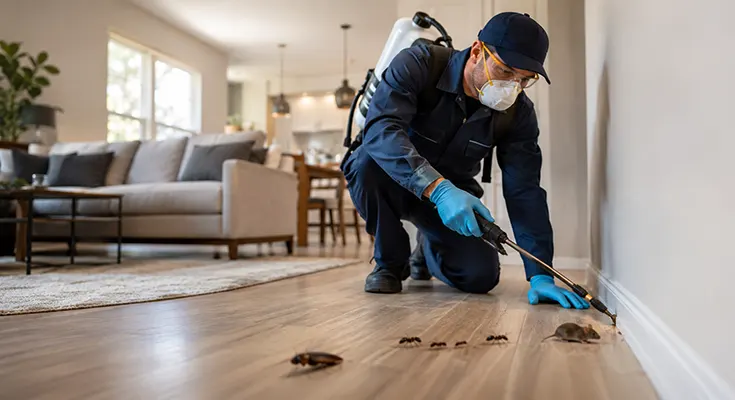
Not every pest problem can be solved with do-it-yourself efforts. If you notice persistent pest activity, structural damage, or potential health risks, it is time to contact a local St. Louis pest control professional. Highly trained specialists have the experience and products to target infestations safely and effectively, protecting both people and pets. Many professionals also offer regular maintenance programs tailored to St. Louis conditions, providing year-round peace of mind. Seeking help quickly can prevent more severe infestations and costly treatments in the future. For guidance on finding a reputable provider, consult resources such as Consumer Reports’ guide to choosing pest control services.
With St. Louis’s climate and community environment, pest prevention is an ongoing part of home maintenance. Implementing these strategies enables residents to protect their health, preserve their property, and enjoy all that this vibrant city has to offer. Regular vigilance and proactive action are key to maintaining a pest-free home in St. Louis.