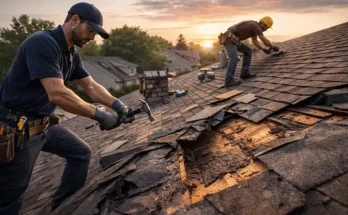
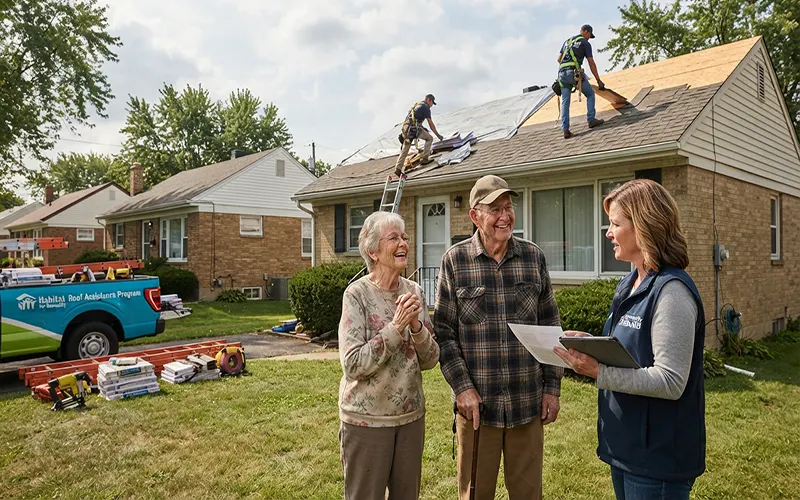
Facing an urgent roof leak, major storm damage, or structural failure is stressful for any homeowner, but for low-income seniors living on a fixed retirement income, a damaged roof can quickly become an overwhelming crisis. Left unaddressed, roof issues lead to mold, structural collapse, and hazardous living conditions that threaten health and safety.
Fortunately, low-income elderly homeowners do not have to face these repairs alone. A network of federal, state, and non-profit emergency assistance programs exists specifically to help seniors fund critical roof repairs and replacements. Here is your comprehensive guide to finding and applying for emergency housing help.
Federal Emergency Assistance Programs
When facing major capital expenses like a roof replacement, federal housing agencies provide the largest funding pools, though they often require navigating structured application queues.
- USDA Section 504 Program: For seniors aged 62 or older living in eligible rural areas, the USDA offers the Section 504 Single Family Housing program. It provides up to $10,000 in outright grants for very low-income homeowners to remove health and safety hazards (such as a leaking, compromised roof), alongside low-interest 20-year loans up to $40,000 for larger structural needs.
- HUD Community Development Block Grants (CDBG): Administered locally through city and county governments, CDBG funds are distributed to urban and suburban municipalities for housing rehabilitation. Many local programs use these funds to run emergency roof repair initiatives or minor home modification grants specifically targeted at elderly or disabled residents.
Non-Profit, Charity, and Local Community Resources
When government queues are too slow or bureaucratic for an active roof emergency, non-profit and volunteer organizations often provide the fastest relief.
- Rebuilding Together: This national network of volunteers provides critical home repairs, including roof patches and replacements, at absolutely no cost to low-income seniors, veterans, and individuals with disabilities.
- Habitat for Humanity’s Critical Home Repair Program: While widely known for building new homes, many local Habitat affiliates run targeted repair programs that assist elderly homeowners with major health and safety hazards, such as leaking roofs or faulty electrical systems.
- Local Area Agency on Aging (AAA): Your regional AAA office serves as a central hub for senior resources. They maintain up-to-date directories of local charities, faith-based organizations, and emergency grant funds that can assist with urgent home repairs.
- Veteran-Specific Charities: If the homeowner is a veteran or a surviving spouse, organizations like Rebuilding Together’s Veterans Housing Initiative or local Veterans of Foreign Wars (VFW) posts frequently offer emergency grant assistance for critical home maintenance.
State and Local Utility / Weatherization Grants
Roof integrity is deeply tied to home energy efficiency. A damaged roof with compromised insulation leads to massive heating and cooling loss.
- Weatherization Assistance Program (WAP): Funded by the Department of Energy and administered through state agencies, WAP helps low-income households lower their energy bills. While primary funds go toward insulation and sealing, many state programs permit minor roof repairs or structural remediation if the damage prevents proper weatherization installation.
- State Housing Finance Agency Emergency Grants: Many individual states operate their own housing trust funds or emergency repair grants tailored for elderly residents, offering direct financial aid for urgent structural fixes.
Step-by-Step Action Plan for Emergency Situations
If you or an elderly loved one is facing an active roof crisis, take immediate, measured steps:
- Document the Damage Safely: Take clear photographs and videos of the active leaks, ceiling stains, or exterior roof damage from the ground. Do not climb onto a damaged or wet roof.
- Mitigate Further Damage: If water is actively pouring into the home, place buckets, use plastic sheeting to protect furniture, and contact a local roofer for emergency tarping to prevent interior structural collapse.
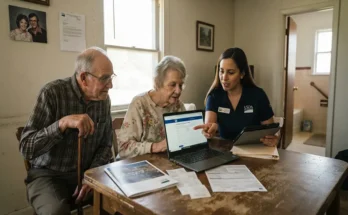
- Contact Your Local Area Agency on Aging: Call your regional AAA office immediately to ask about emergency housing grants or local non-profit partners who fast-track severe roof leaks.
- Beware of Storm Chasers: Avoid door-to-door contractors who appear immediately after severe weather offering “free roofs” or demanding upfront cash payments. Always verify licenses and work through established, reputable agencies.
A damaged roof is an emergency, but it does not mean an elderly homeowner is out of options or forced to attempt dangerous DIY fixes. By leveraging federal programs like USDA Section 504, reaching out to local non-profits like Habitat for Humanity or Rebuilding Together, and utilizing Area Agency on Aging resources, low-income seniors can secure the safe, dry home they deserve. Take the first step today by reaching out to your local senior assistance office to report your emergency and request guidance.