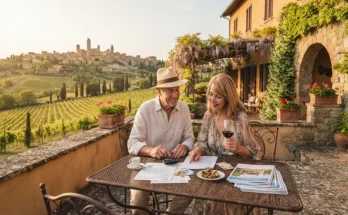
Few global real estate trends have captured the public imagination quite like Italy’s famous “One Euro Home” phenomenon. Promoted widely across international media, the prospect of purchasing a historic, sun-drenched Italian townhouse in a picturesque medieval village for the price of a single espresso sounds too good to be true.
The reality is more nuanced. While the initial acquisition cost is entirely symbolic, the true investment lies in managing mandatory renovation costs, navigating local municipal bureaucracy, and strategically leveraging Italian building tax incentives to maximize your return.
The Reality Behind the 1-Euro Price Tag
To understand a 1-euro property purchase, you must first understand why municipalities launch these programs. Many remote, rural hill towns across Southern and Central Italy face severe depopulation as younger generations migrate to economic hubs like Rome or Milan. Local administrations auction off abandoned, structurally compromised homes for €1 to revitalize their historic centers and attract new residents, remote workers, or foreign investment.
However, acquiring a home under this scheme involves legally binding commitments enforced by the local comune (town hall):
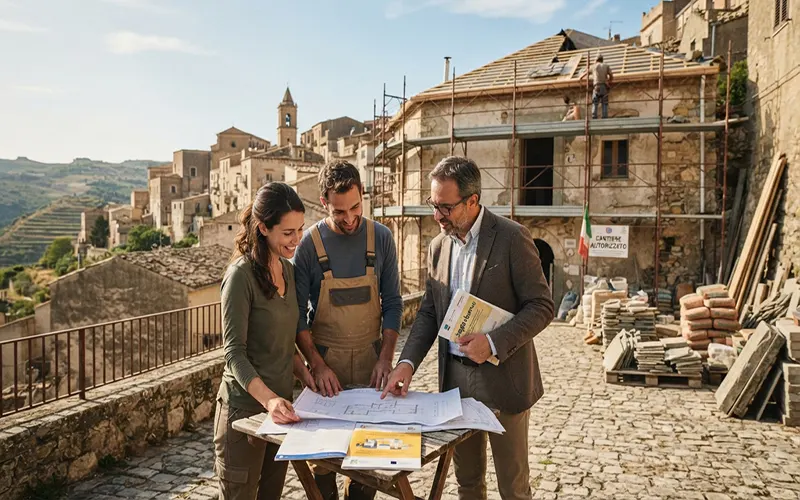
- Strict Renovation Timelines: Buyers are legally required to submit comprehensive architectural plans and launch construction within a few months, typically completing all structural and aesthetic renovations within three years.
- Financial Guarantees: To ensure buyers do not abandon the property mid-project, municipalities require a security deposit or surety bank guarantee (ranging from €2,000 to €5,000) that is returned once renovations are successfully finished.
- Closing and Legal Fees: Even though the house costs €1, you are still responsible for standard closing expenses, including notary fees (notaio), land registry transfers, and municipal contract registration.
Breaking Down True Renovation Costs
Most 1-euro homes are structural shells—often lacking functioning roofs, interior floors, electrical wiring, or plumbing. Budgeting realistically requires looking at costs per square meter for a complete historic restoration.
- Structural Reinforcement: Because these properties are often centuries old, repairing or entirely rebuilding sagging timber roofs and implementing seismic retrofitting can cost anywhere from €20,000 to €40,000 depending on the footprint.
- Systems and Infrastructure: Installing modern plumbing, electrical conduits, sewage connections, and HVAC heating/cooling systems generally runs between €15,000 and €30,000.
- Interior Finishes and Restoration: Plastering, flooring, window replacement, and bathroom/kitchen fittings add another €15,000 to €30,000+.
The Bottom Line: A €1 property purchase easily translates into a total project cost of €60,000 to €120,000+ for a modest village home, depending on its initial state of decay and the finishes chosen.
Navigating Italian Tax Incentives and Building Bonuses
Fortunately, Italy offers powerful tax incentives—collectively known as the Bonus Casa—that can significantly cushion renovation expenses:
- Bonus Ristrutturazioni (Renovation Bonus): This incentive provides a tax deduction on eligible expenses incurred for extraordinary maintenance, restoration, and structural rehabilitation. The deduction rate stands at 50% for primary residences (or individuals establishing tax residency) and 36% for second homes, calculated up to a maximum spending cap of €96,000 per property unit. This benefit is recovered as a tax credit split into 10 equal annual installments.
- Ecobonus (Energy Efficiency Upgrades): If your renovation involves upgrading insulation (cappotto termico), installing high-efficiency heat pumps, or replacing old windows and frames, the Ecobonus offers matching 50% to 65% deductions on specific energy-saving investments.
- Crucial Caveat for Foreign Buyers: These tax incentives are structured as direct deductions against Italian income tax (IRPEF). If you do not earn taxable income in Italy, you cannot directly utilize these credits unless you work with local financial institutions or partners through specific transfer options (where available). Always consult an Italian tax accountant (commercialista) regarding your personal tax capacity.
Hidden Fees and Bureaucratic Hurdles to Anticipate
Underestimating the administrative complexity of rural Italian bureaucracy is the single biggest pitfall foreign investors face.
- Professional Fees: You will need to hire a local geometra (surveyor), architect, or structural engineer to draft blueprints, submit building permits (such as a CILA or SCIA), and sign off on legal compliance. Professional fees typically amount to 10% to 15% of total construction costs.
- Utility Hookups: Bringing dormant water, gas, and electricity lines active can involve unexpected municipal connection fees and delays.
- Project Management: Managing a renovation remotely across a language barrier is exceptionally difficult. Retaining a bilingual, independent project manager on the ground is well worth the investment to keep contractors on schedule.
Buying a 1-euro home in Italy is not a shortcut to a cheap, move-in-ready European getaway; rather, it is a deeply rewarding labor of love and a unique construction investment. By understanding the true financial scope of historic renovations, respecting strict municipal deadlines, and leveraging available Italian building bonuses, you can successfully resurrect an abandoned architectural gem and claim your own slice of la dolce vita.