
Aging in place—living independently, safely, and comfortably in your own home as you grow older—is the ideal path for millions of older adults. However, maintaining an aging home on a fixed retirement income can quickly become overwhelming when faced with structural wear, leaking roofs, or critical safety hazards.
For very low-income seniors living in rural areas, the USDA Section 504 Home Repair Program (Single Family Housing Repair Loans and Grants) offers a vital financial lifeline. While the federal application process requires careful preparation, these funds can make essential home modifications completely achievable without draining your life savings.
What is the Section 504 Program?
The USDA Section 504 program provides specialized financial assistance to help homeowners repair, improve, or modernize their residences. It is broken down into two distinct mechanisms:
- The Section 504 Loan: Offers up to $40,000 in financing at a fixed 1% interest rate with a 20-year repayment term.
- The Section 504 Grant: Offers up to $10,000 explicitly for homeowners aged 62 or older who cannot afford a loan repayment. This is a lifetime maximum grant per household.
- Combined Assistance: Eligible seniors can combine a loan and a grant for up to $50,000 in total assistance (which can increase in presidentially declared disaster areas).
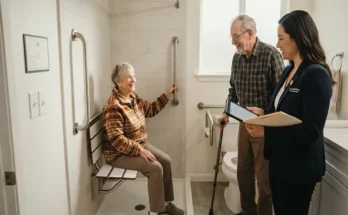
Crucial Distinction: Grant funds are strictly limited to removing health and safety hazards or completing disability accessibility work (such as installing ramps or walk-in showers). Additionally, grants must be repaid in full if the property is sold within three years.
Am I Eligible? Breaking Down the Requirements
Before diving into paperwork, you must meet specific baseline criteria established by the USDA:
- Age Requirement: You must be at least 62 years old to qualify specifically for the grant portion.
- Geographic Location: Your property must be located in a USDA-eligible rural area (generally towns with populations under 35,000). You can check your specific address using the interactive map tool on the official USDA Rural Development website.
- Income Limits: Your household income must fall below the very low-income limit for your specific county (defined as below 50% of the area median income).
- Homeownership: You must own and occupy the home as your primary residence and be unable to secure affordable credit elsewhere.
Step-by-Step Application Process
Navigating a government application is much easier when broken down into sequential steps:
- Contact Your Local USDA Rural Development Office: This is your essential first step. Local offices provide the specific application packet (including forms like RD 410-4 and RD 3550-1) and guide you through regional nuances.
- Gather Required Documentation Early: Prepare copies of your proof of age, household income statements (Social Security, pensions, recent tax returns), asset verification, property deeds, and homeowner’s insurance policy.
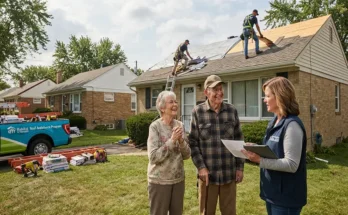
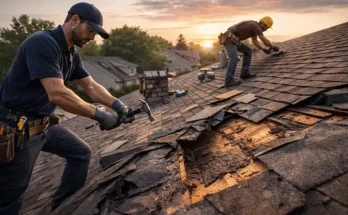
- Obtain Detailed Contractor Estimates: Get itemized written bids from licensed, reputable local contractors. The estimates must clearly isolate health and safety hazards (such as roof leaks or faulty wiring) from general cosmetic updates.
- Submit and Await Inspection: Once your application package is complete, submit it to your local office. A USDA representative will review your file and coordinate a property review to verify the requested repairs.
Navigating Roadblocks and Tips for Success
- Mind the Processing Timeline: Federal funding cycles and local office backlogs mean processing can take time. Submit your application well in advance of urgent home repair needs.
- Never Start Work Early: Do not hire contractors or begin repairs before receiving official written approval from the USDA. Pre-approved work is rarely retroactively funded.
- Understand the Ability-to-Pay Rule: For loan components, the USDA calculates your exact loan ceiling based on your residual monthly income after standard debt obligations.
Aging in place safely should not depend on whether you have a massive savings account. The USDA Section 504 program exists precisely to ensure that older adults in rural communities are not forced out of their homes by unexpected maintenance or accessibility hurdles.