For many older adults, the desire to age in place—living safely and independently in the comfort of their own home—is a top priority. However, as physical mobility changes, ordinary household spaces can present unexpected hazards. Statistically, the bathroom is the most common site for dangerous household falls among seniors, due to wet surfaces, low toilets, and high-sided bathtubs.
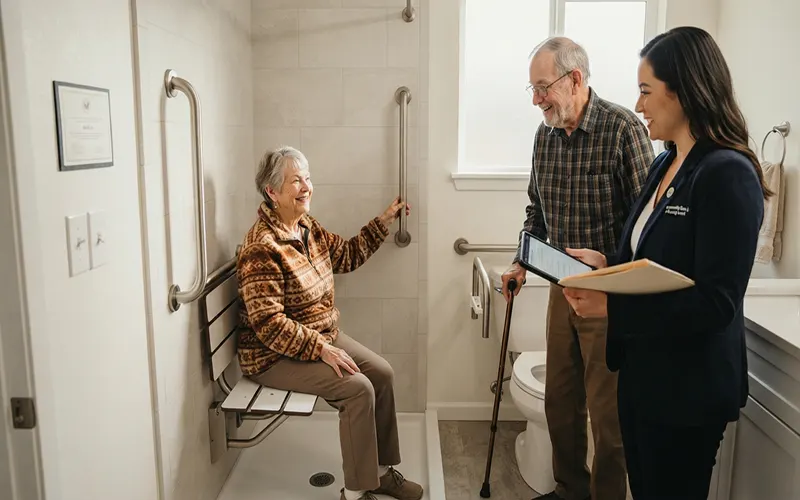
Fortunately, aging safely in place does not have to be financially out of reach. A robust network of federal grants, Medicaid waivers, and veterans’ assistance programs exists to help senior citizens fund essential bathroom accessibility modifications, such as walk-in showers, grab bars, and raised toilets.
1. Federal Housing and Rural Development Grants
When looking for capital assistance to cover major home remodeling projects like bathroom conversions, federal housing agencies offer some of the most substantial funding pools.
- USDA Section 504 Program: For seniors aged 62 or older living in designated rural areas, the USDA offers the Section 504 Single Family Housing program. It provides up to $10,000 in outright grants for very low-income homeowners to remove health and safety hazards. This frequently covers converting a dangerous tub into an accessible walk-in shower or installing grab bars and ramps. For larger structural needs, low-interest 20-year loans up to $40,000 are also available.
- HUD Community Development Block Grants (CDBG): Administered locally through city and county governments, CDBG funds are distributed to urban and suburban municipalities for housing rehabilitation. Many local community development offices use these grants to fund minor home modification programs specifically targeted at elderly or disabled residents needing bathroom safety upgrades.
2. Medicaid Waivers and Home & Community-Based Services (HCBS)
Medicaid is traditionally known for covering medical care and nursing home facilities, but most states now offer Home and Community-Based Services (HCBS) waivers designed to help seniors remain in their private homes instead.
- How Waivers Fund Modifications: HCBS waivers often include provisions for home accessibility modifications. If installing a walk-in shower, widening bathroom doorways, or adding secure grab bars prevents a senior from needing institutionalized nursing home care, state Medicaid programs may cover or subsidize the cost.
- State-by-State Variations: Because Medicaid waivers are administered at the state level, eligibility requirements, funding caps, and approved modification types vary significantly depending on where you live. Check with your state’s department of health or human services to explore active waiver programs.
3. Department of Veterans Affairs (VA) Home Modification Grants
If the senior homeowner is a military veteran or a surviving spouse with a qualifying service-connected disability—or in some cases, aging-related health needs—the VA provides specialized housing grants.
- Home Improvements and Structural Alterations (HISA) Grant: The HISA grant provides financial assistance for veterans making home modifications necessary for the treatment of a disability or safe movement within the home. This frequently covers bathroom remodeling, such as roll-in showers, non-slip flooring, and lowered sinks. Eligible veterans can receive up to $6,800 for service-connected conditions (or up to $2,000 for non-service-connected conditions).
- Specially Adapted Housing (SAH) and Special Home Adaptation (SHA) Grants: For veterans with severe service-connected disabilities, these larger federal grants provide substantial funds to buy, build, or extensively remodel a home to ensure complete accessibility.
4. Step-by-Step Guide to Applying for Assistance
Navigating government assistance programs can feel intimidating, but approaching the process systematically ensures a smoother journey:
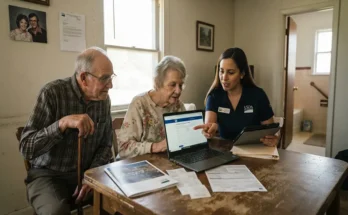
- Contact Your Local Area Agency on Aging (AAA): Your regional AAA office serves as a centralized hub for senior resources. They maintain up-to-date directories of local grants, non-profit volunteer builders, and state-specific accessibility programs.
- Consult an Occupational Therapist (OT): Before hiring a contractor, request an in-home evaluation from an occupational therapist. They can specify exact medical requirements (such as specific grab bar placements or shower seat heights) which often strengthen your grant applications.
- Obtain Multiple Contractor Bids: Most grant programs require you to submit itemized cost estimates from licensed, insured contractors before approving funds. Avoid door-to-door remodelers and work only with professionals experienced in accessible home modifications.
A modified bathroom is more than just a home renovation—it is an investment in safety, dignity, and independence. By leveraging federal programs like USDA Section 504, exploring state Medicaid HCBS waivers, or utilizing VA grants, senior citizens can secure the financial aid needed to make their homes safe without depleting their retirement savings. Take the first step today by reaching out to your local Area Agency on Aging to discover which programs are available in your community.