Aging in place—the ability to live in one’s own home safely, independently, and comfortably as you grow older—is the preferred choice for millions of older adults. However, the physical reality of owning an aging home often clashes with fixed retirement incomes. A leaking roof, a failing HVAC system, or a crumbling staircase can quickly turn a cherished home into a hazard.
Fortunately, older adults do not have to shoulder these burdens alone. A wide range of federal, state, and non-profit programs offer free home repair grants for seniors over 65 designed specifically to maintain home safety, improve energy efficiency, and fund crucial accessibility modifications without draining retirement savings.
Federal Home Repair Grants and Loans
The federal government provides some of the most substantial financial assistance programs for senior homeowners, primarily channeled through housing and agricultural departments.
- USDA Section 504 Home Repair Program: Often considered the gold standard for rural homeowners, this program provides grants of up to $10,000 to very low-income homeowners who are 62 years old or older to remove health and safety hazards. Additionally, it offers low-interest loans (at a 1% fixed rate repayable over 20 years) of up to $40,000 for more extensive repairs. To qualify, household income must fall below the very low limit for the county, and the home must be located in a qualifying rural area.
- HUD Community Development Block Grants (CDBG): Funded by the U.S. Department of Housing and Urban Development, CDBG funds are distributed to local cities and counties. Many municipalities use these funds to run local housing rehab programs, offering grants or deferred-payment loans to low-income senior homeowners for code-compliance and safety repairs.
- Weatherization Assistance Program (WAP): Administered via the Department of Energy, WAP helps low-income families—with priority frequently given to seniors, individuals with disabilities, and families with children—permanently reduce their energy bills by making their homes more energy-efficient. Services can include insulation, sealing air leaks, and upgrading outdated heating and cooling systems.
State, Local, and Utility Assistance Programs
When federal programs have strict regional boundaries or long waiting lists, local resources often fill the gap.
- Area Agencies on Aging (AAA): Your local AAA acts as a central clearinghouse for regional eldercare resources. They maintain databases of local non-profits, volunteer handyperson networks, and county-specific grants that can help with minor modifications.
- County and Municipal Housing Authorities: Many local governments have dedicated housing rehabilitation funds that do not appear on federal radars. These programs frequently target low-income seniors needing emergency roof replacements, plumbing overhauls, or structural stabilizations.
- Utility Company Grants: Many electric and gas utility providers offer energy-saving grants or free minor home repairs (such as weatherstripping, smart thermostats, or insulation upgrades) specifically geared toward low-income households and fixed-income seniors.
Types of Covered Repairs and Modifications
Grant programs are generally designed to address functional necessity, safety, and health rather than cosmetic luxury. Most approved projects fall into two categories:
1. Critical Home Safety and Structural Repairs
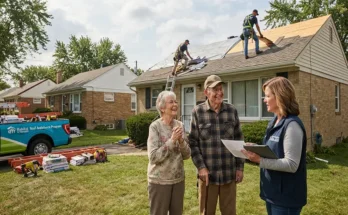
- Roof Replacement and Leak Repair: Fixing structural water damage, failing shingles, or sagging rafters that compromise the home’s integrity.
- Systems Overhauls: Repairing or replacing faulty electrical wiring, leaking plumbing lines, or broken furnaces and water heaters that pose direct health hazards.
- Foundation and Drainage: Stabilizing crumbling foundations or fixing exterior grading to prevent dangerous basement flooding.
2. Accessibility Modifications for Aging in Place
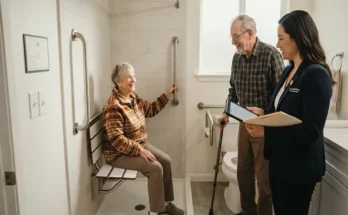
- Bathroom Conversions: Replacing traditional high-walled bathtubs with walk-in showers or roll-in showers.
- Mobility Infrastructure: Installing exterior wheelchair ramps, sturdy indoor and outdoor handrails, or professional stairlifts.
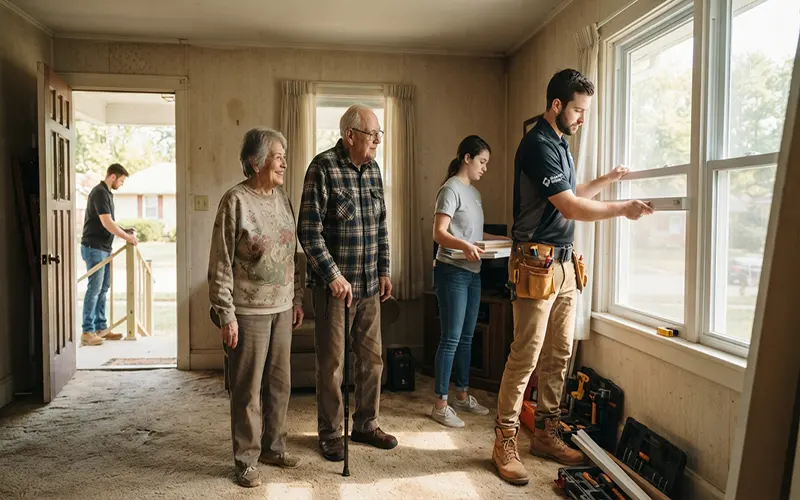
- Doorway and Hallway Widening: Modifying doorways to accommodate walkers or wheelchairs comfortably.
Step-by-Step Guide to Applying Successfully
Navigating assistance programs requires patience and organization. Follow these steps to maximize your chances of approval:
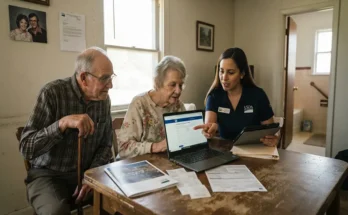
- Gather Documentation Early: Most agencies will require proof of age (driver’s license or birth certificate), proof of household income (Social Security statements, pension paperwork, recent tax returns), proof of homeowners insurance, and the deed to the property.
- Obtain Detailed Repair Estimates: If you already know what needs fixing, get written estimates from licensed, reputable contractors. Some grant programs require these estimates before approving funds.
- Guard Against Scams: Unfortunately, predatory contractors sometimes target vulnerable seniors with door-to-door repair scams. Never sign over property deeds, never pay large upfront cash deposits, and verify that any organization or contractor is fully licensed and registered with your local consumer protection office.
- Submit to Multiple Programs: Because funding pools can be limited and waitlists can be long, apply to several local and federal programs simultaneously.
Your home should be a safe, comfortable sanctuary where you can age with dignity and peace of mind. If necessary repairs feel financially out of reach, remember that dedicated financial assistance exists precisely to support older adults. Reach out to your local Area Agency on Aging or explore the USDA Section 504 program today to discover what grants you qualify for and take the first step toward securing your home.